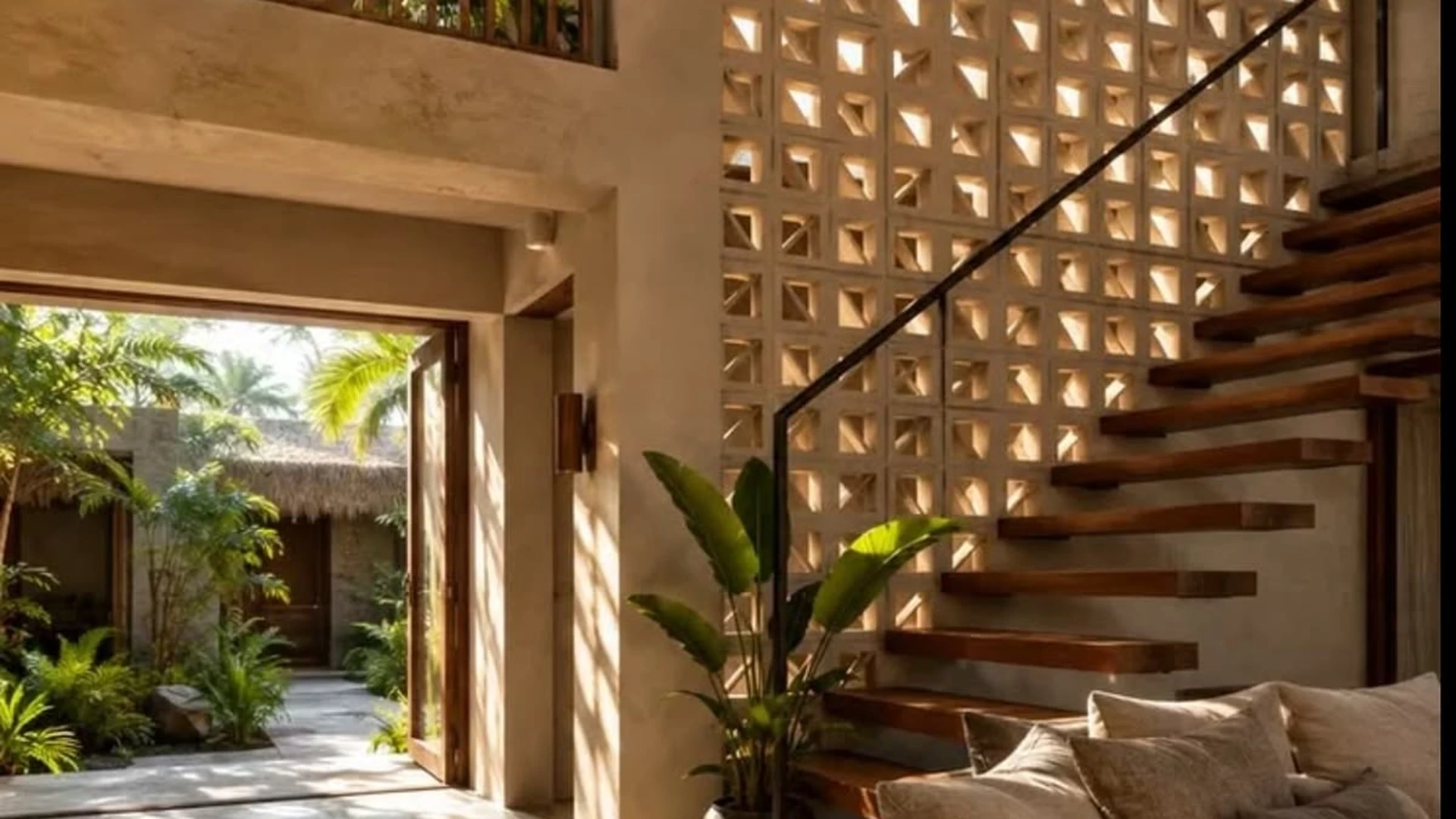
The same room can feel entirely different at nine in the morning, three in the afternoon and after sunset. Light shifts, people arrive and depart, activities change and the atmosphere of a place moves with them.
Architecture is often presented through a decisive still image. But a building is not experienced as a still image. It is lived in sequence, across hours, seasons and different kinds of use.
At Aroha, we believe the time dimension deserves a place in the design brief. It connects architecture with hospitality, workplace strategy, wellbeing and operations.
Think in sequences.
Arrival, focus, gathering, movement and recovery may each ask something different of a setting. A building can support that progression with varied spaces and thoughtful transitions.
This is not a call for constant transformation. It is a recognition that one environmental condition cannot always serve every moment equally well.
Light marks the passage of time.
Orientation, daylight, shading and artificial lighting shape the rhythm of a place. A morning space might welcome natural light, while an evening setting may benefit from warmth, softness and a stronger sense of enclosure.
Early coordination between architecture and lighting strategy makes these decisions part of the concept rather than an afterthought.
“A building is not a static object. It is a sequence of experiences across time.”
Programming gives space another life.
A restaurant can host a morning gathering and an evening event. A lobby can support arrival, work and cultural programming. A terrace can change with climate and time of day.
The commercial potential of a place often depends on how intelligently different uses coexist, without making the experience feel over-programmed.
Five time-based questions
- 01Morning
How does the day begin here?
- 02Afternoon
Which uses and energies overlap?
- 03Evening
How does the atmosphere change?
- 04Season
What shifts across the year?
- 05Choice
Can people find the conditions they need?
Create room for choice.
Not everyone moves through the day in the same way. Some people seek stimulation and others need quiet. The environment can offer distinct conditions without insisting on one prescribed journey.
Adaptability, intuitive control and varied places to be are central to that sense of choice.
Designing with time in mind creates places that can remain useful, comfortable and interesting long after a single photograph is taken.