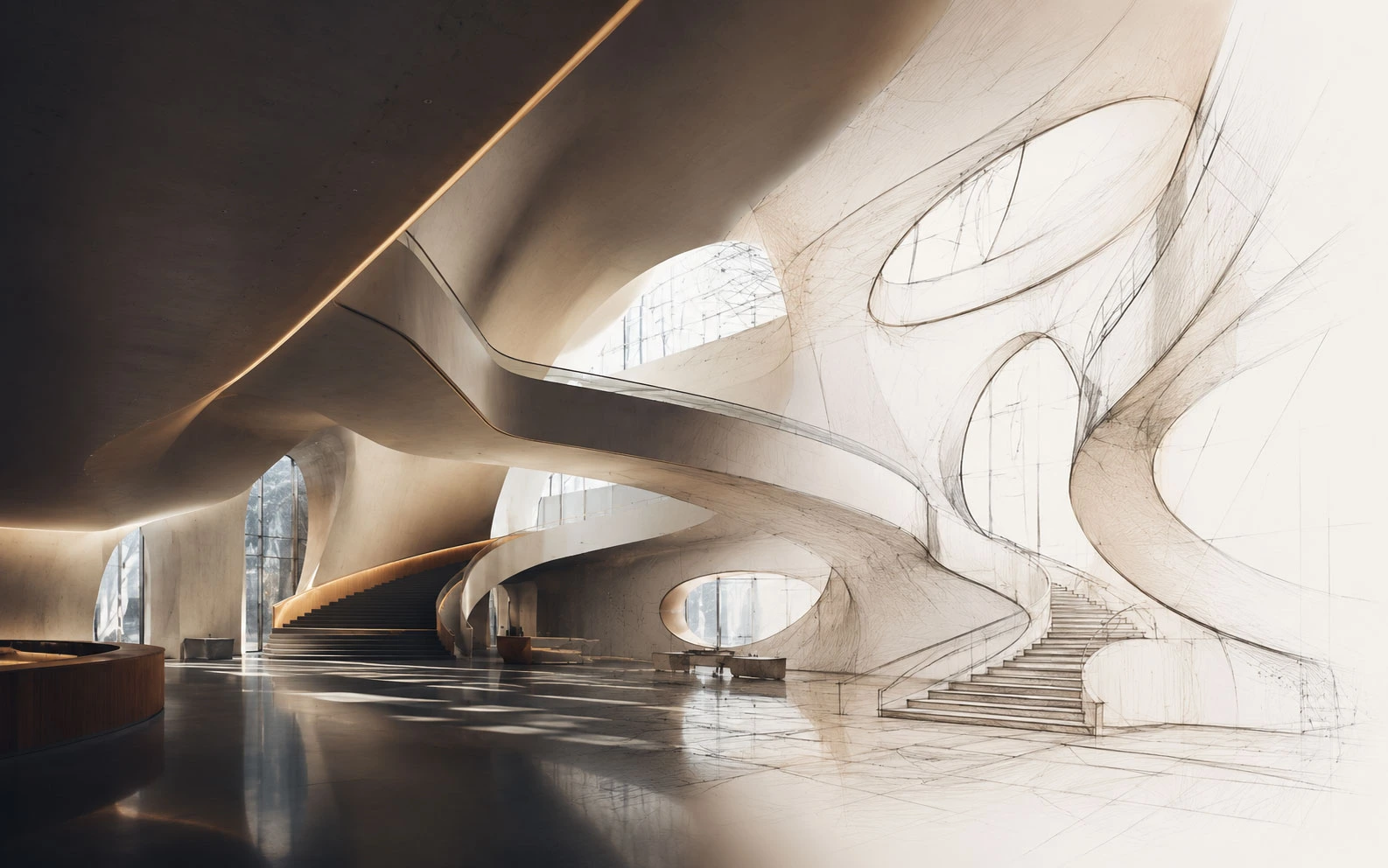
A guest experiences a resort long before entering the spa. The journey begins with arrival, continues through the room and landscape, and unfolds through food, sleep, movement and moments of quiet. Each of those encounters contributes to the character of the stay.
For too long, wellness has often been treated as a discrete programme within a property: a set of treatment rooms, a pool, perhaps a gym. Those spaces can be important, but the proposition becomes more meaningful when the entire environment participates.
Aroha approaches a resort as a sequence of connected experiences. The question is not simply which wellness facilities to add, but what the guest needs at different moments and how architecture, operations and programming can respond.
Begin with the guest journey.
The arrival experience can set a pace. A room can make rest intuitive. A landscape can invite people outside without requiring a scheduled activity. A restaurant can be both social and nourishing. These moments may appear separate on a plan, but they are connected in the memory of a stay.
A more integrated concept considers the transitions between those moments. It asks how a person moves from travel into rest, from solitude into community, and from activity into recovery.
Design the room as a wellbeing space.
The guest bedroom is the place in which people spend some of their most vulnerable and restorative hours. Attention to light, privacy, acoustics, temperature, air and the ability to control the setting belongs at the centre of the design brief.
The aim is not to fill a room with technology. It is to remove unnecessary friction and make the environment feel coherent, adaptable and comfortable.
“The spa should be one expression of a wellbeing-led resort, not the only place where wellbeing happens.”
Make landscape and food part of the proposition.
Gardens and walking routes can create reasons to move, pause and reconnect with the surroundings. Food and beverage can reflect the identity of a destination while creating opportunities for learning, gathering and healthier daily routines.
A resort does not become more distinctive by copying the same wellness menu everywhere. Its landscape, climate, culture, people and traditions can inform what wellbeing means in that particular place.
Five connected opportunities
- 01Arrival
Create a transition from travel into the pace of the destination.
- 02Rest
Treat the bedroom as a central part of the experience.
- 03Movement
Make the landscape and circulation inviting to use.
- 04Food
Connect hospitality, place and daily nourishment.
- 05Programming
Align facilities with a meaningful, operable guest journey.
Give the idea an operational life.
An ambitious concept must work beyond the presentation. The guest journey should be supported by staffing, programming, service, maintenance and a commercial model that fits the property.
This is why wellbeing is not merely an aesthetic or an amenity. It is a strategic question that reaches across design, hospitality, experience and operations.
When every part of the resort contributes, wellbeing stops being a department and becomes the character of the place.